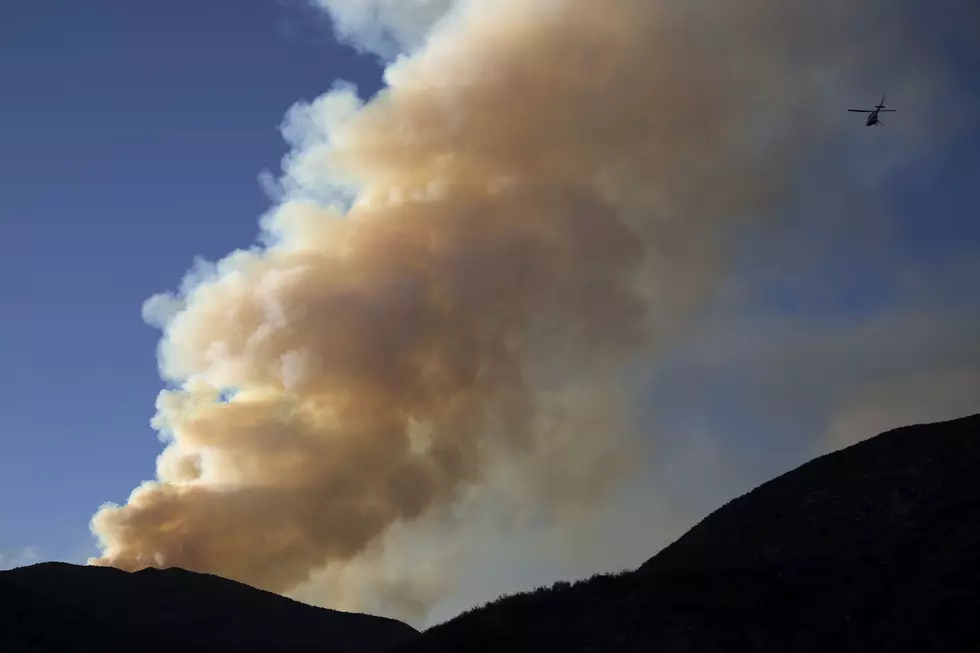
Here’s How to Prevent Wildfires in Montana This Summer
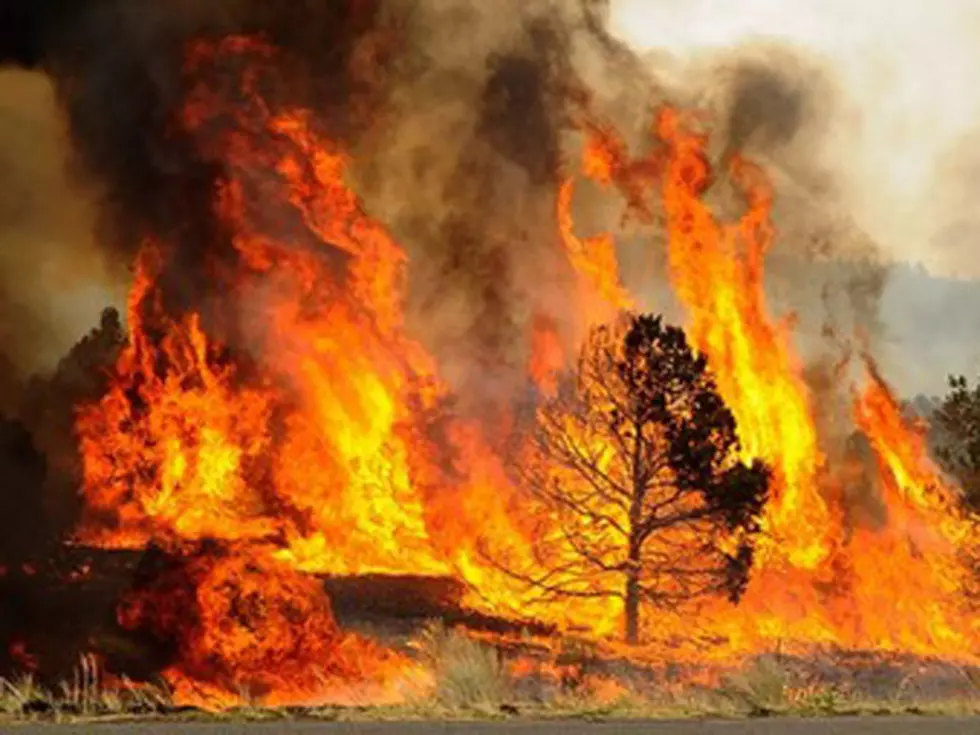
Summer has officially arrived in Montana, and the dry conditions stretching across the state and much of the West are putting us on high alert for a intense 2026 wildfire season. While we spent the spring hoping for relief, July’s rising temperatures and persistent drought mean it is more important than ever to prepare for the worst.
This past winter was one of the warmest and driest on record for Big Sky Country. Now that we are in July, severe drought conditions have been reported across the state, turning early-season grass and brush into highly flammable fuel.

Low mountain runoff, dry fuels, and the classic hot, windy days of a Montana July mean that if a spark catches, flames can spread faster and further than ever. When you add high winds to the equation, a small ember can escalate into a major situation in a matter of minutes.
Wildfire season is something we have to navigate every single year in Montana, but the conditions we are seeing right now mean we all have to be incredibly vigilant to protect our beautiful state.
To keep our communities safe and protect our forests, the U.S. Department of the Interior recommends keeping these essential prevention tips top of mind during these dry summer months:
- Check local fire restrictions and drought conditions before you head out.
- Build campfires only in designated, open locations far away from overhanging branches or dry brush.
- Drown your campfire with water, stir it, and drown it again until it is completely cold to the touch.
- Avoid driving or parking vehicles on dry grass. Hot exhaust pipes can ignite a fire instantly.
- Regularly maintain your outdoor equipment and secure trailer chains so they don't drag and create sparks.
- Check your vehicle's tires, bearings, and axles to prevent roadside blowouts and friction sparks.
- Never set off fireworks in dry, vulnerable areas or where local bans are in place.
- Exercise extreme caution on high-wind days when outdoor activities are much higher risk.
If we want to keep enjoying our summer adventures under clear blue skies instead of thick blankets of smoke, it is up to all of us to use caution, stay informed, and make smart decisions.
The ABC's of Fire Safety
Gallery Credit: Cindy Campbell
How to Protect Yourself from Wildfire Smoke
Gallery Credit: Unsplash/TSM
Yellowstone Wildfire of 1988
More From The Moose 94.7 FM